
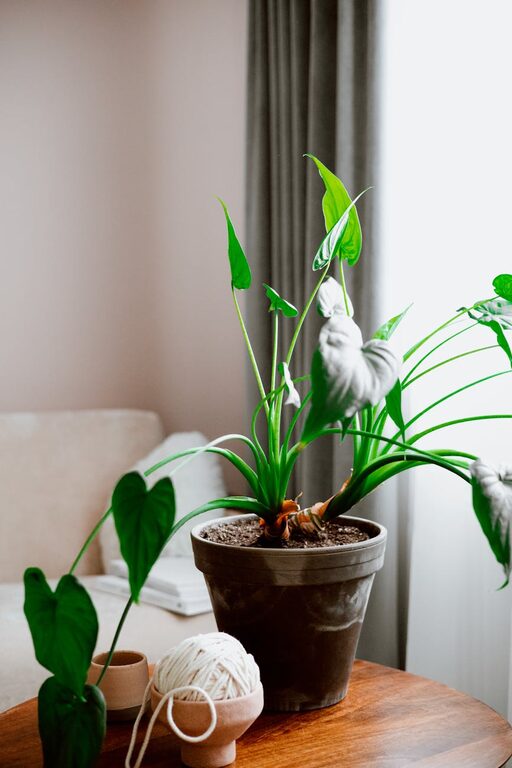
Bringing indoor plants into your living space is a wonderful way to enhance your home decor while enjoying a range of additional benefits. From improving air quality to adding a touch of nature’s tranquility, indoor plants can transform your environment. If you’ve ever wondered how to integrate plants into your home and keep them healthy, this guide will walk you through the benefits and provide practical care tips.
Why Incorporate Indoor Plants Into Your Home?
1. Improve Air Quality
Indoor plants act as natural air purifiers. They absorb carbon dioxide and release oxygen, making the air inside your home fresher. Some common houseplants, such as spider plants, snake plants, and pothos, are well-known for their ability to filter harmful toxins like formaldehyde and benzene from the air.
2. Boost Mood and Reduce Stress
Caring for plants can be a calming activity that helps reduce stress and anxiety. Studies show that being around greenery has a positive effect on mood and mental well-being. Adding plants to your home can create a peaceful atmosphere that promotes relaxation.
3. Enhance Aesthetics and Style
Plants introduce color, shape, and texture that enhance any room’s ambiance. Whether you prefer small succulents for your desk or large leafy plants in the corner, plants complement many interior styles—from modern to rustic. They also soften hard edges and add natural beauty.
4. Increase Humidity
Indoor plants release moisture into the air, which can help increase humidity levels. This is especially helpful in dry climates or during winter months when heating can dry out the air, helping to keep your skin and respiratory system comfortable.
5. Encourage Productivity and Creativity
Having plants around your workspace can improve concentration and creativity. The presence of plants has been linked to increased productivity, which makes them a valuable addition to home offices.
Choosing the Right Indoor Plants
When selecting plants, consider the amount of natural light your space receives, your lifestyle, and how much time you’re willing to dedicate to plant care.
Low-Light Plants
– Snake Plant: Tolerates low light and infrequent watering.
– ZZ Plant: Very resilient and requires minimal care.
– Peace Lily: Offers attractive flowers and thrives in shade.
Bright Light Plants
– Succulents: Need plenty of sunlight and infrequent watering.
– Spider Plant: Prefers bright, indirect light.
– Fiddle Leaf Fig: A bold statement piece requiring bright light.
How to Care for Your Indoor Plants Effectively
To keep your plants thriving, it’s important to follow some basic care guidelines.
1. Watering Tips
– Know your plant’s needs: Some plants like moist soil (peace lilies), while others prefer to dry out between watering (succulents).
– Avoid overwatering: It’s one of the most common mistakes. Ensure pots have drainage holes.
– Water when needed: Check soil moisture with your finger before watering.
2. Light Requirements
– Place plants according to their light preferences.
– Rotate plants occasionally to ensure they grow evenly.
– Use sheer curtains if sunlight is too strong, to protect delicate leaves.
3. Temperature and Humidity
– Most indoor plants thrive in temperatures between 65°F and 75°F (18°C-24°C).
– Avoid placing plants near drafts, heaters, or air conditioners.
– Increase humidity by misting leaves or placing a tray of water and pebbles near the plant.
4. Fertilizing
– Feed your plants with a balanced, water-soluble fertilizer every 4-6 weeks during the growing season (spring and summer).
– Reduce or stop fertilizing in the dormant season (fall and winter).
5. Pruning and Cleaning
– Remove dead or yellowing leaves to promote new growth.
– Dust leaves regularly to allow plants to photosynthesize efficiently.
– Use clean, damp cloths or shower plants gently with lukewarm water.
Common Indoor Plant Challenges and Solutions
Pests
– Watch for signs like sticky residue, holes, or discolored leaves.
– Common pests include spider mites, aphids, and mealybugs.
– Treat infestations with insecticidal soap or neem oil, and isolate affected plants.
Root Rot
– Caused by overwatering or poor drainage.
– To fix it, trim dead roots and repot the plant in fresh, well-draining soil.
Leggy Growth
– Occurs when plants stretch toward a light source.
– Move the plant to a brighter spot and prune to encourage bushier growth.
Final Thoughts
Indoor plants are more than just decorative items—they improve your home environment, contribute to your well-being, and create a sense of connection with nature. By choosing the right types of plants and following straightforward care tips, you can enjoy the benefits of a green, thriving indoor garden all year round. Whether you’re a beginner or a seasoned plant lover, your home can flourish with a little bit of green. Happy planting!